- Dog Juice
- Posts
- STUDY: 94% of homemade dog diets lack complete nutrition
STUDY: 94% of homemade dog diets lack complete nutrition
Analysis of 1,726 homemade dog food formulations by the Dog Aging Project shows most recipes are missing critical nutrients required for canine health.

Chris Equale
January 01, 2026
Researchers studied over 1,726 home-prepared dog diets. 94% lacked complete nutrition.
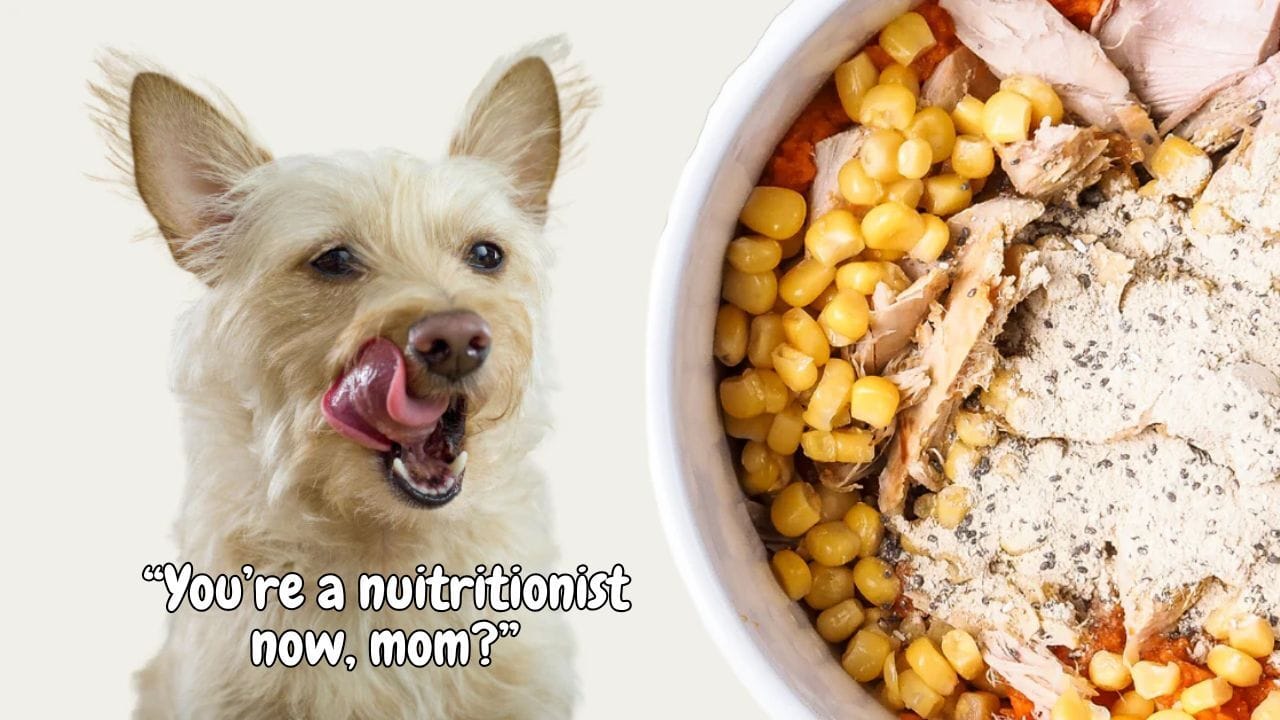
Texas A&M University has released new findings from the Dog Aging Project indicating that most homemade dog food diets do not meet essential nutritional standards, raising concerns about the increasing popularity of home-prepared pet meals.
The research, published in the American Journal of Veterinary Research and reported by Courtney Price of Texas A&M’s College of Veterinary Medicine and Biomedical Sciences (VMBS), evaluated the nutritional adequacy of 1,726 homemade dog diets. The analysis was based on ingredient lists and preparation methods submitted by dog owners.
“Only about 6% of the homemade diets we reviewed showed the potential to be nutritionally complete,” said Dr. Janice O’Brien, a doctoral researcher at the Virginia-Maryland College of Veterinary Medicine at Virginia Tech. “Because our study did not account for precise ingredient quantities, the true percentage of nutritionally complete diets may be even lower.”
The Dog Aging Project is a large collaborative effort led by Texas A&M’s College of Veterinary Medicine and Biomedical Sciences along with multiple partner institutions. Dietary information was gathered through open-ended surveys completed by owners of more than 50,000 enrolled dogs. Researchers entered these diet details into Balance It, an online diet formulation tool designed to meet guidelines set by the FDA and the Association of American Feed Control Officials (AAFCO) for canine nutrition.
Understanding a canine’s complete diet
The researchers stressed that preparing dog food at home carries significant responsibility. Pet owners choosing this route should consult a board-certified veterinary nutritionist and follow prescribed recipes exactly, as every ingredient plays a critical role in meeting nutritional needs.
The study also showed how substituting or omitting ingredients can quickly undermine a diet’s nutritional balance. For instance, using different types of oils can alter nutrient profiles, while skipping supplements such as calcium can lead to serious health issues.
Improper calcium-to-phosphorus ratios can contribute to bone disorders and kidney problems. Dogs with existing medical conditions face even higher risks, as nutritionally incomplete diets can worsen underlying health issues.
Researchers also warned against including foods that are unsafe for dogs. Grapes are known to be toxic, and whole bones can be dangerous because they may splinter and cause internal injuries.
For owners interested in long-term homemade feeding, the authors recommended consulting with a veterinarian to address individual dietary needs, working closely with a board-certified veterinary nutritionist to create balanced recipes, and periodically sending food samples to testing laboratories to ensure ongoing nutritional accuracy.
“The Squeeze”: Dog News In 60 Seconds

🇬🇧 This black Labrador is a hero after saving his owner went into cardiac arrest on the beach.
📸 PETA just called out Kim Kardashian: “Puppies are not plushies.”
❄️️ Here are 8 ways to keep your dog safer on this snowy, wintry walks.
🕊️ Miranda Lambert joins the unfortunate list of celebrities who have lost a pet this year. RIP Cher.
👏 Almost 80% of South Korea’s dog meat farms have shut down before the 2027 ban takes effect.
🧠 Can dogs have autism or ADHD? Here’s what researchers say.
🌴 If you can’t relax on vacation without your pet, you’re not alone.
Today’s Last Laugh:
He’s a speed (and yard) demon…
@alabo_doo9 Should i sign him up for the Olympics 😂😂😂#dogdadsoftiktok #viral #fyp #fypシ゚viral