- Dog Juice
- Posts
- ❤️ What Scientists Are Learning From Teens Who Grow Up With Dogs
❤️ What Scientists Are Learning From Teens Who Grow Up With Dogs
A new study explores how pets may shape behavior—right down to our microbes.

Bryan Reisberg
December 18, 2025
How Growing Up With a Dog May Shape Teen Mental Health
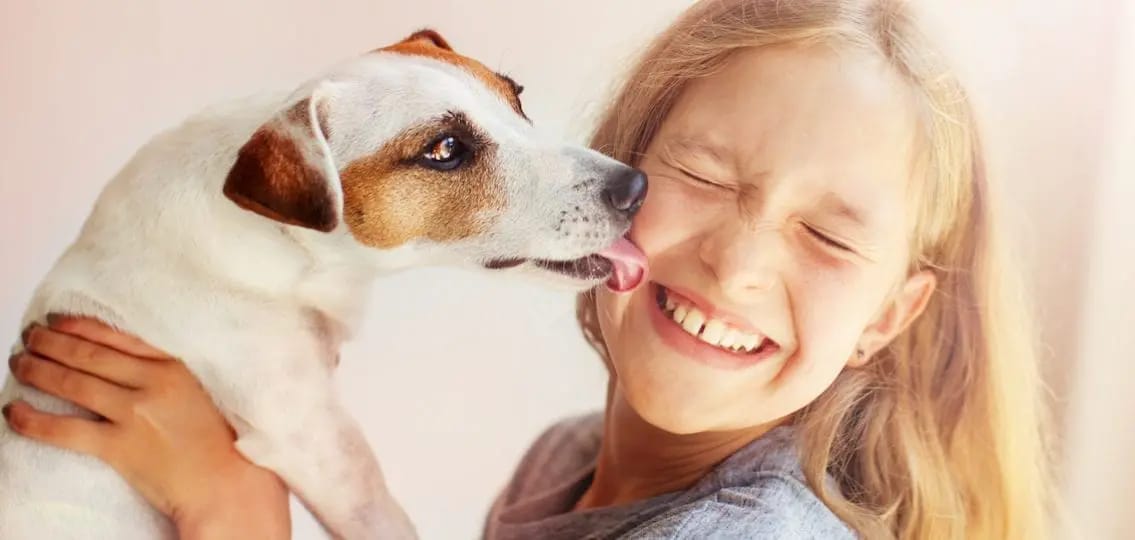
Could your family dog be quietly supporting your teen’s mental health? New research suggests the answer may be yes—and not just emotionally, but biologically too. A study led by Prof. Takefumi Kikusui of Azabu University in Japan found that teenagers who grew up with dogs showed fewer social and behavioral challenges, potentially thanks to changes in their microbiome (the community of bacteria living in and on the body). While dogs are already known to lower stress and increase oxytocin—the “bonding hormone” that supports emotional regulation—this research adds a fascinating new layer: dogs may help shape healthier social behavior from the inside out.
Source: iScience (2024)
The researchers analyzed data from 343 healthy adolescents participating in the Tokyo Teenager Cohort Study, including 96 dog owners. Teens who had a dog at age 13 showed lower levels of social withdrawal, aggression, delinquent behavior, and thought problems by age 14 compared to peers without dogs. When scientists examined saliva samples, they discovered meaningful differences in certain bacteria—non-dog owners had higher levels of strains like Streptococcus and Prevotella. To better understand what that might mean, the team transferred saliva microbes from teens to germ-free mice. Mice that received microbes from dog-owning teens displayed more social curiosity and “empathetic concern,” behaviors linked to bonding and prosocial behavior in animals and humans alike.
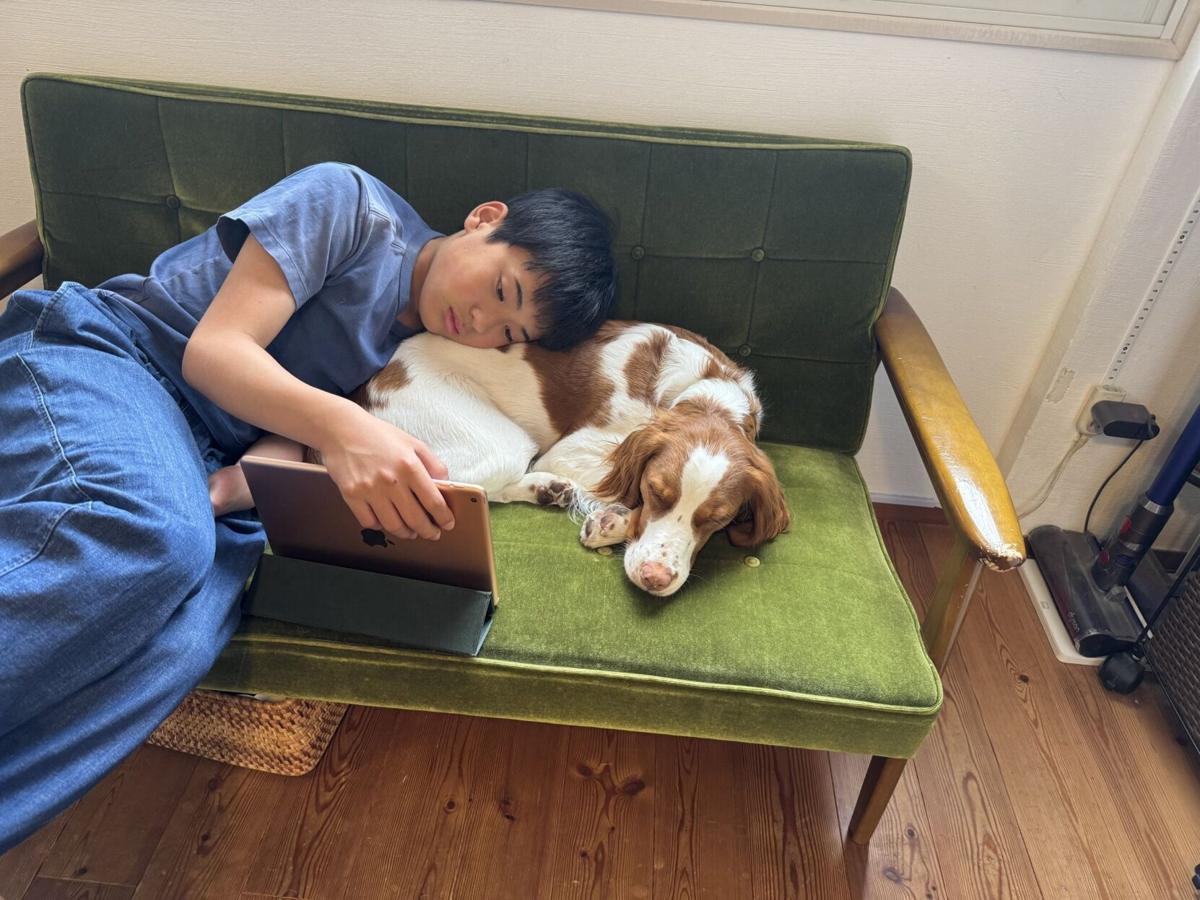
These findings fit into a growing body of science around the gut–brain axis, which shows that microbial diversity plays a role in mood, stress resilience, and social behavior—especially during adolescence, when the brain is still developing. Previous research has found that children raised in homes with pets tend to have more diverse microbiomes, which may support immune and mental health outcomes over time. Dogs, it turns out, don’t just bring joy—they may also bring beneficial microbial exposure through daily contact, outdoor activity, and shared environments.
Sources:
Cryan et al., Nature Reviews Neuroscience (2019)
Fujimura et al., PNAS (2010)

That said, experts urge balance and perspective. The study did not examine the dogs’ microbiomes directly, and researchers caution that dog ownership isn’t a cure-all. Teens without dogs can still support a healthy microbiome through diet, time outdoors, and social connection. And for some families, especially those with dogs that have behavioral challenges, ownership can add stress rather than reduce it. Still, the takeaway is powerful: when dogs and kids grow up together in a healthy, supportive environment, the benefits may extend far beyond companionship—right down to the microbes that help shape how young minds connect with the world.
Expert commentary: Prof. Stefan Reber, Ulm University
🐾 Why This Matters
Adolescence is a critical window for emotional and social development. This research suggests that dogs may support teens not only through companionship and routine, but by subtly shaping the microbiome–brain connection—highlighting how everyday family environments can influence long-term mental well-being.
“The Squeeze”: Dog News In 60 Seconds

🐶 Rescue dog Leo, now three-legged, is training to be a therapy dog after surviving a severe accident
✈️ Dog deaths on flights spark global push for improved pet travel safety rules
🧬 Large study suggests CBD supplements may help reduce aggression in older dogs
🔬 Dog size and shape diversity began at least 11,000 years ago, scientists find
🐕🦺 Michigan proposes tougher animal cruelty laws and expands service animal recognition
🐾 Dogs Trust Ireland lets shelter pups pick their own Christmas presents
🐕 Only one dog wasn’t adopted at a big LA event—and a mascot stepped in
🏖️ Dog beach restrictions spark debate on Australia’s Sunshine Coast
🎀 Luxury canine wellness trends—from hydrotherapy to sound baths
Today’s Last Laugh:
I’m like a bird…
