- Dog Juice
- Posts
- 🍕You Might Be Accidentally Underfeeding Your Dog
🍕You Might Be Accidentally Underfeeding Your Dog
A new analysis of 1,700 recipes shows widespread nutrient deficiencies

Bryan Reisberg
January 15, 2026
Most Homemade Dog Diets Are Nutritionally Incomplete and the Data Is Alarming

A new study from the Dog Aging Project and Texas A&M University delivers a serious wake-up call for well-intentioned dog parents. According to the research, 94% of homemade dog diets fail to meet basic nutritional requirements. Out of more than 1,700 home-prepared recipes analyzed, only 6% were nutritionally complete based on standards set by the FDA and the Association of American Feed Control Officials (AAFCO). You can read the full findings via Texas A&M’s summary of the research here.
Researchers evaluated 1,726 owner-submitted homemade diets using Balance It, a formulation tool designed to assess whether meals meet established canine nutrient standards. The results revealed widespread deficiencies in calcium, phosphorus, zinc, iron, and essential vitamins, often caused by small recipe changes like omitting supplements, swapping oils, or estimating portions by eye. Coverage of the study in veterinary media underscores how common these gaps are, even in recipes that look healthy on the surface.
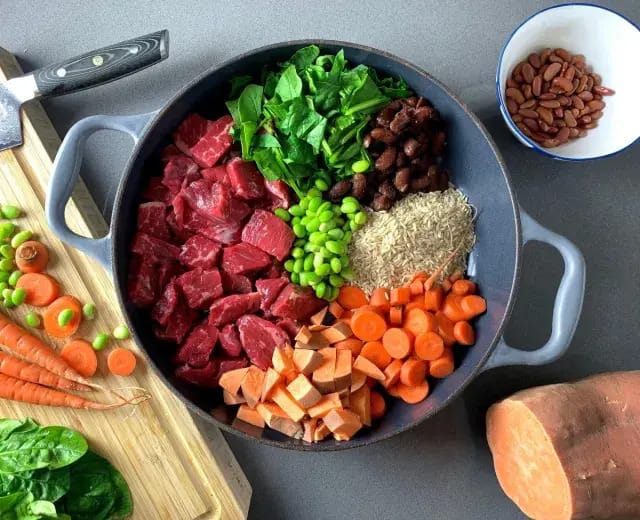
What makes this especially concerning is that nutritional deficiencies often develop quietly. Dogs may appear healthy for months or even years before issues surface. Over time, inadequate nutrient intake can contribute to bone disease, weakened immune systems, poor muscle and nerve function, developmental problems, and organ stress, particularly in puppies, senior dogs, and dogs with existing health conditions. Veterinary experts quoted in the study emphasize that fresh or home-cooked food is not inherently balanced and that canine nutrition requires precision, not just quality ingredients.

The takeaway for dog parents is clear. If you are feeding a homemade diet, it needs to be intentionally formulated and routinely evaluated. The study’s authors recommend working with a board-certified veterinary nutritionist, validating recipes against AAFCO standards, and monitoring dogs closely for early signs of deficiency. Wanting to do better for our dogs is the right instinct. This research makes one thing clear. Good intentions alone are not enough. Science has to be part of the bowl.
“The Squeeze”: Dog News In 60 Seconds

🐶 Some dogs can learn new words just by listening to you talk, nearly like toddlers do
🐾 Worried about travel stress? Therapy animals are helping calm flyers at airports around the world.
💡 “Gifted Word Learner” dogs aren’t just cute — they can pick up vocabulary without direct training.
🕊️ Red-light therapy for pups is trending, but vets urge caution and proper devices.
Today’s Last Laugh:
Xingxing forever.
@xingxing.themonkey Make fun of xingxing delicious food every day #monkey #animal #cute #funny #fyp